
札幌の初夏を告げる風物詩といえば、ライラックの花ですね。
When it comes to the hallmarks of early summer in Sapporo, it has to be the lilac blossoms.
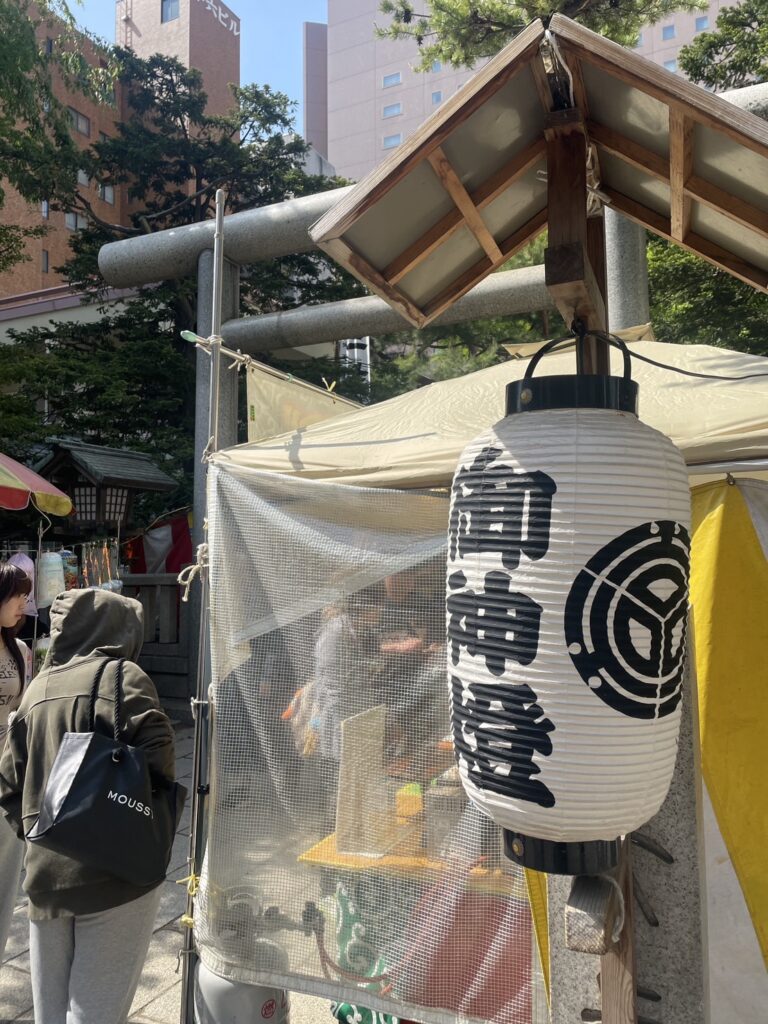
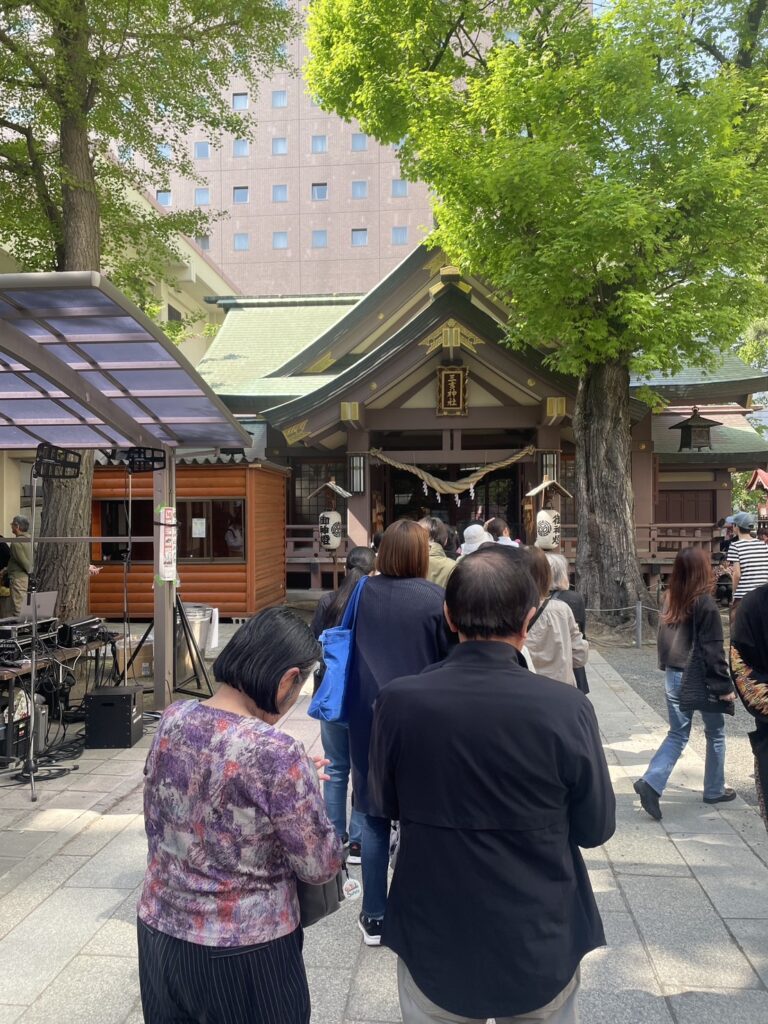
札幌一番夏祭りとして開催される三吉神社のお祭り。
札幌の桜が散り、ライラックの花が咲き始める頃に開催されるため「札幌で一番早い夏祭り」と呼ばれています。
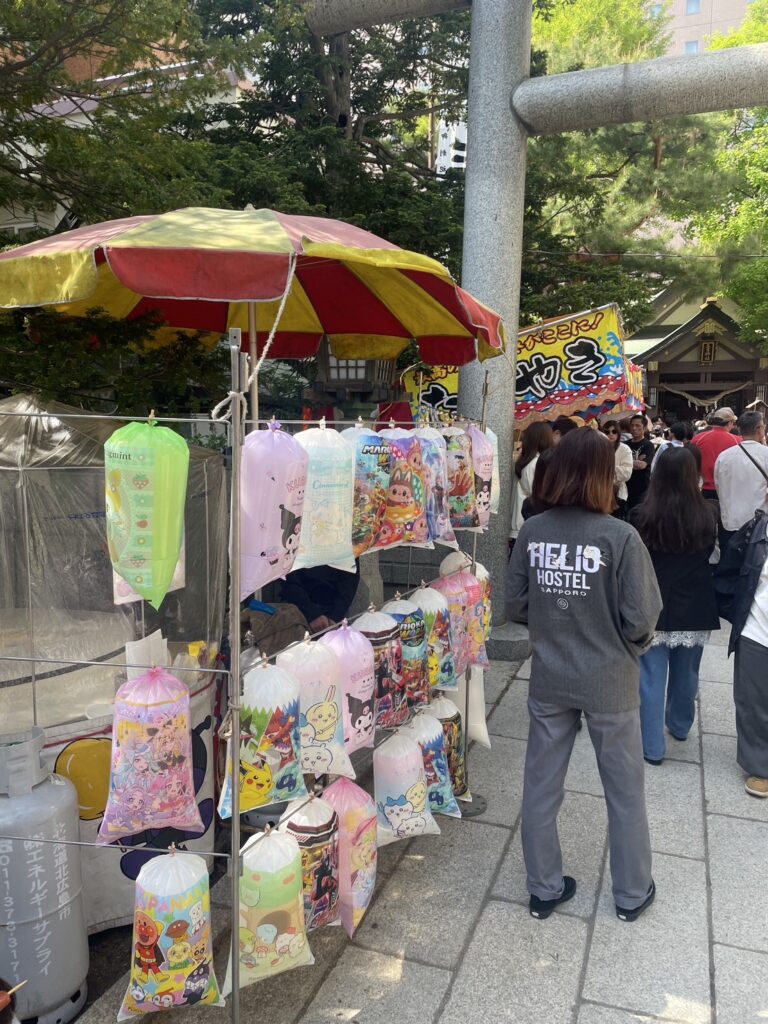
「さんきちさん」で親しまれているこのお祭りは、境内に多くの屋台が立ち並び、ビールコーナーや飲食スペースも設けられ、オフィス街の真ん中にあるため、仕事帰りの方々でも賑わいます。
The festival at Miyoshi Shrine is known as Sapporo’s first summer festival.
As it takes place around the time when the cherry blossoms in Sapporo have fallen and the lilacs begin to bloom, it is known as ‘Sapporo’s earliest summer festival’.
Affectionately known as ‘Sankichi-san’, this festival features numerous food stalls lining the shrine grounds, as well as a beer corner and dining areas. Located right in the heart of the office district, it attracts large crowds of people on their way home from work.
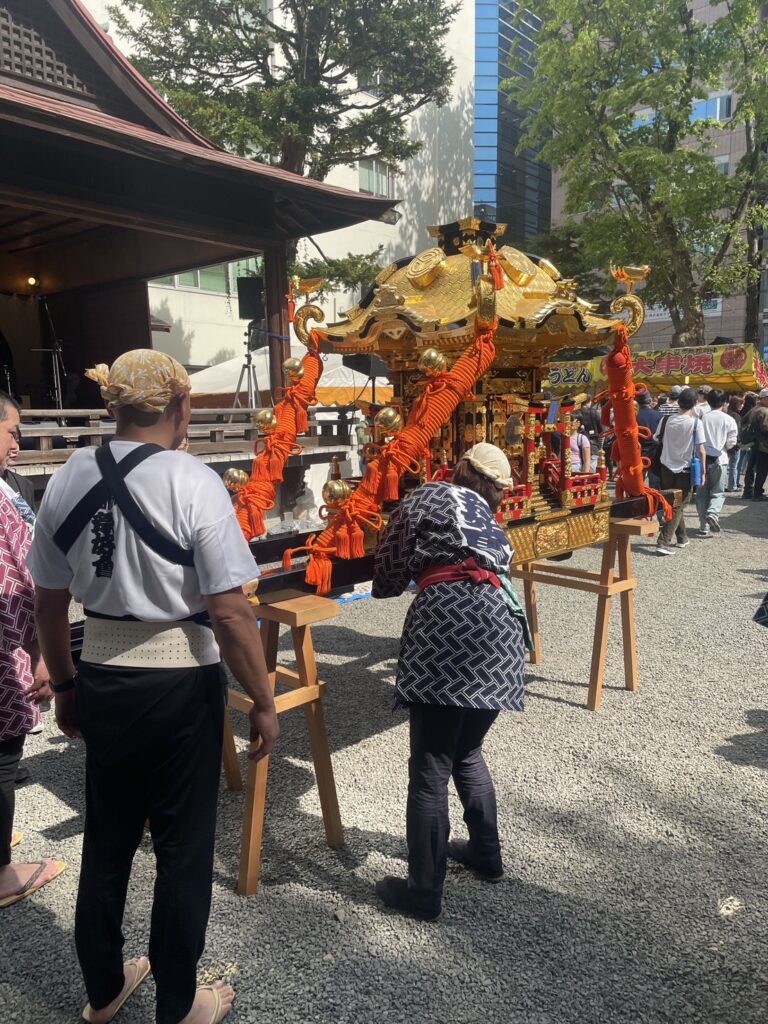
最終日の10時から13時頃にかけて、オフィス街である札幌の中心部を神輿が練り歩き、勢いよく通る姿は迫力があります。
14時からは、子ども神輿や子ども相撲大会などもあり、日本ならではの文化に触れることができます。
On the final day, from around 10 am to 1 pm, portable shrines parade through the central business district of Sapporo, and the sight of them passing by with such vigour is truly impressive.
From 2 pm onwards, there are events such as children’s portable shrines and a children’s sumo tournament, offering visitors the chance to experience a unique aspect of Japanese culture.
少し日本のお祭りの関わりをご紹介をしたいと思います。
I’d like to tell you a little about my involvement in Japanese festivals.
日本のお祭りは、単に「人間が楽しむ」のではなく、本質は「神をおもてなす」ことにあるとされています。
神輿はその象徴たるものですね。
古来、日本では「子供は7歳までは神の子(神社に近い存在)」と考えられてきました。
子供達が神輿を担ぐことで、その土地の神様に元気な姿を見せ、地域の生命力を高める意味がありますし、相撲はもともと勝敗を競うスポーツではなく、神様に奉納する「神事」です。子供が相撲を取ることで神様を喜ばせ、その年の豊作や地域の安全を祈願します。
さらにこれらのお祭りは、単なるイベントではなく、地域全体で子供を育てる仕組みでもあるのです。
「地域の宝である子供」の健やかな成長を願う「無病息災」の祈りが込められています。
It is said that the essence of Japanese festivals lies not merely in ‘people having fun’, but in ‘honouring the gods’.
The mikoshi is a symbol of this.
Since ancient times in Japan, it has been believed that ‘children are children of the gods (beings close to the shrine) until the age of seven’.
By carrying the mikoshi, children show the local deities their vigour, which serves to enhance the vitality of the community. Furthermore, sumo was originally not a sport contested for victory or defeat, but a ‘sacred ritual’ dedicated to the gods. Children wrestle to please the gods and pray for a bountiful harvest and the safety of the community for the coming year.
Furthermore, these festivals are not merely events; they also serve as a system through which the entire community raises the children.
They are imbued with prayers for ‘good health and freedom from illness’, wishing for the healthy growth of ‘the children, who are the treasures of the community’.
日常の中に「神聖な存在」を招き入れ、子供がその仲立ちをするのです。
このような構造は日本独特とされています。
Children act as intermediaries, inviting ‘divine beings’ into everyday life.
This structure is considered unique to Japan.
日本文化には、日常(ケ)と非日常(ハレ)をはっきりと分ける知恵があります。
祭りの日、子供たちは普段着ではない「法被(はっぴ)」「まわし」「化粧まわし」といった特別な衣装を纏います。これにより、子供自身も「自分は今、地域の一員として特別な役割を果たしている」という規律と誇りを、理屈ではなく体感で学びます。
さらにその運営を日本独自の町内会とゆう組織が行います。
神輿の修繕、寄付集め、当日の安全確保、終わった後の直会(会食)まで、すべてボランティアの住民によって運営されます。この「自分の住む場所を自分たちで守り、祝う」という自治組織が、何百年も形を変えずに祭りを支え続けている点は、世界的にも珍しい文化的な持続性だと言われています。
子供が関わることも独自で、単なる可愛いイベントではなく「信仰:教育:福祉」を兼ね備えた日本の文化措置なのです。
Japanese culture embodies a wisdom that clearly distinguishes between the everyday (ke) and the ceremonial (hare).
On festival days, children don special attire—such as happi coats, mawashi sashes and decorated mawashi—rather than their everyday clothes. Through this, the children themselves learn, not through reason but through experience, a sense of discipline and pride, realising that ‘I am now fulfilling a special role as a member of the community’.
Furthermore, the organisation of these events is carried out by Japan’s unique neighbourhood associations.
From the repair of the portable shrines and fundraising to ensuring safety on the day and the post-festival feast, everything is run by volunteer residents. This self-governing organisation, which ‘protects and celebrates the place where we live’, has continued to support the festivals for hundreds of years without changing its form; this is said to be a rare example of cultural sustainability on a global scale.
The involvement of children is also unique; this is not merely a charming event, but a cultural institution that combines ‘faith, education and welfare’.
核家族化が進む現代においても、お祭りの日だけは「町全体が大きな家族」のようになる。
これこそが日本「ならでは」の文化なのではないかと思います。
The way children are involved is unique; it is not merely a charming event, but a cultural institution that combines ‘faith, education and welfare’.
Even in today’s world, where the nuclear family is becoming increasingly common, on festival days the whole town becomes like one big family.
I believe this is precisely what makes Japanese culture so distinctive.
私自身も思い出のアルバムの中に「法被を着た幼き私の写真」があり、振り返るとしっかり日本とゆう国に産まれ、日本とゆう文化で成長させてもらえたのだと、改めてホステルとゆう仕事を通して実感します。
I, too, have a photograph of myself as a child wearing a happi coat in my family album, and looking back, I realise once again—through my work at the hostel—that I was indeed born in Japan and raised within its culture.
個人的には、町内会がまた盛り上がり、子供たちの安全や成長の後押しが続く日本でありたいと思います。
Personally, I hope Japan will be a country where neighbourhood associations regain their vitality and continue to support children’s safety and development.
海外の方はもちろんですが、旅行先の地域のお祭りに参加してみるのもいかがでしょうか?
Why not try taking part in a local festival wherever you’re travelling, not just for visitors from abroad?